
Genital theft and other bizarre beliefs: the humanist struggle for reason and human rights in Africa
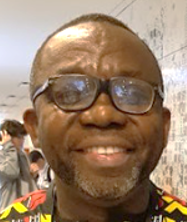

By Dr Leo Igwe
Across Africa, accusations of witchcraft and beliefs in supernatural powers can have devastating consequences, including persecution, imprisonment and murder. Nigerian humanist campaigner Leo Igwe describes the human cost of religious dogma and harmful superstition, and explains why humanist resistance, grounded in reason, evidence and compassion, is urgently needed.
Leo is Director of the Critical Thinking Social Empowerment Foundation in Nigeria, which promotes critical and creative thinking in schools. He is also a Board member of Humanists International.
Humanism offers a powerful means of resisting religious dogma and harmful superstition in Africa, championing reason, evidence and compassion against beliefs that can lead to persecution and violence. Africans are often described as deeply religious and the designation is not totally incorrect. Most of the population profess one faith or the other, and abuses in the name of religion, God or Allah are widespread.
Humanist resistance is critical to African intellectual awakening and renewal. But resistance to unreason remains an uphill task because, as in ancient times, religion is the default cosmology of most African people. Religion holds sway because faith requires no special mental effort or rigour.
Submission to religion
African societies criminalise, immoralise and demonise non-belief. Comforting orthodoxies inform everyday social formation and upbringing. People blindly and unquestionably accept teachings and traditions handed down from the past. They embrace whatever they have been told, taught and preached to, even when the teachings are evidently false or harmful. Religion makes many Africans impervious to common sense, reason and humanity. Human sacrifice and ritual killing are framed as demonstrations of faith, or as a form of appeasement for bloodthirsty gods and goddesses that populate the spiritual ecosystem.
Despite the absurdity of religious propositions, people seldom express doubt or disbelief because such expressions attract heavy penalties. People have been indoctrinated to submit to religious dogma. They are forced to uphold mistaken ideas about life and the universe. People are reluctant to call out absurdities which often motivate believers to commit heinous crimes. No one challenges or interrogates those religious doctrines that are used to demean and tyrannise people, especially women, children, elderly persons, and people with disabilities.
In the world of religion, doubt, debate and disputation are forbidden. It is a case of ‘Yes’ and ‘Amen’ to moral anachronisms and logical non sequiturs. Every faith claims to be absolutely true and to possess a codification of impeccable knowledge. Yet different faiths propagate conflicting and contradictory claims.
Pernicious effects of religion
Growing up in Nigeria, I witnessed first-hand the confusion, darkness, destruction, violations, and devastation religious narratives orchestrated when recklessly deployed and irresponsibly enforced. Faiths compete at the expense of the progress and well being of people. Religions have robbed many Africans of their agency, opportunities, and possibilities to live and enjoy the fullness of this one life that they have.
Self-serving men and women called priests, imams, marabous, sangomas, diviners and prophets impersonate gods and spirits. They weaponise faith and superstitious narratives to exploit others. They violate human rights, dignity, happiness and well-being in the here and now with impunity.
Religions entrench a dualistic cosmology rooted in ignorance of nature and how nature works. Faith systems promote ideas that cause existential angst and alienation. Religions accord an inferior status to this world and this life while ascribing perfection and eternal bliss to some remote, unknown, obscure, abstract, fictitious, yet-to-be-located otherworldly supernatural realm.
“In acting upon our beliefs, we should be very cautious where a small error would mean disaster.” Bertrand Russell, On Education (1926)
Faith-based decisions and actions cause harm and dangerous consequences. Faith systems ignore the wise words of Bertrand Russell: “In acting upon our beliefs, we should be very cautious where a small error would mean disaster.” Religions are not cautious of errors and falsehoods. They sanctify misconceptions and the collateral damage they cause, handing down ideas as they were in the beginning, “now and ever shall be world without end”.
Religion facilitates the dangerous tradition of witch hunting, investing reality with magical and supernatural fantasies and absurdities. African Christians justify violence against alleged witches by citing the biblical injunction “Suffer not a witch to live” (Exodus 22:18). In Muslim communities, particular interpretations of the Quran and sharia law have been invoked to justify accusations of witchcraft and the persecution of those suspected.

Documented cases
Recent cases attest to the pernicious role of religions in witch persecutions and other violations of human beings. In Cross River State, southern Nigeria, in August 2026 a young man set his mother ablaze after consulting local pastors who confirmed that the woman, known as Atim Eyo, was a witch and responsible for the death of his child. The woman died a few days after this tragic incident.
In Zamfara State, a sharia court jailed a man called Samalia Bala who has been accused of witchcraft and juju (the alleged use of supernatural powers through charms or rituals), an offence that is not recognised under civil law. The man has been jailed many times for this “offence” since 2020.
Traditional priests have been linked to witch-hunting incidents in Ghana, Kenya, Malawi, Zambia and South Africa. Based on fear and ignorance, belief in witchcraft can be used to justify miscarriages of justice and trial by ordeal. Witch believers erroneously ascribe guilt and the cause of misfortunes to innocent people. Irrational claims of witchcraft drive the craze and violence ravaging the African continent. Witch hunters, often godmen and women, legitimise oppression, persecution, and bloodletting of alleged witches, on the false premise that they have the power to harm others through magical or supernatural means. Meanwhile, there is no evidence for witchcraft powers and spiritual capacities.
“Genital theft”
Religions also give credence to claims and abuses linked to ritual attacks and killings, including the magical theft of genitals. Suspicions of magical theft of genitals have led to the attack and murder of innocent people in Zambia, Nigeria, Angola, and Malawi. Beliefs in the supernatural power of rituals, including the sacrifice of humans or their body parts, persist in some African communities. Those responsible for such practices may draw on indigenous religious traditions or interpretations of Christianity and Islam to justify their actions. In Nigeria, some youths have been arrested and jailed for stealing female pants and sanitary pads, for murdering their girlfriends and relatives for rituals. In southern African countries people living with albinism and baldness have been targeted and killed.
Humanism is on a mission
Humanism in Africa is on a mission of rescue and recreation, deploying reason and compassion in order to tackle superstition and religious extremism. Humanist principles have been useful in resisting religious deceit, treachery, and mischief. Humanism values critical thinking, evidence-based information, and sceptical inquiry. It demands proof for claims made and it treats matters of faith with suspicion. It rejects the sentiment underpinning the biblical verse that describes faith as “substance for things hoped for and evidence for things not seen” (Hebrews 11.1 KJV). Faith does not constitute substantial evidence. It is rooted in the lack of substance. Humanist philosophy emphasises the quest for truth, intellectual awakening, and enlightenment. The humanist framework stands in opposition to the fakery and pretention of god men and women who arrogate to themselves the power to dictate and control human lives.
Challenging bizarre beliefs
Humanists challenge the false narratives which are used to legitimise witchcraft-related abuses and ritual attacks. We deny the existence of witches and the reality of witchcraft. We challenge the fanciful beliefs that human beings have magical powers and can change into birds and fly to attend nocturnal meetings at covens! We are reorienting the minds of people who believe that people can turn into cats or other animals, because such allegations are not without serious repercussions. The accused are attacked, killed or banished. At a public enlightenment session at Benue State University in Nigeria, students told advocates how community members attacked and killed a man suspected of turning into a hyena at night. Elderly persons suffering dementia who stray into the street and are unable to trace their way back to their homes are accused of witchcraft, and made to suffer a similar fate.
Conclusion
Humanist resistance is a force for dispelling irrational beliefs that darken and destroy societies in Africa. It is also about resisting violations linked to dogma and superstition. Every person rescued from a witchcraft accusation, every unjust prosecution challenged and every harmful superstition exposed is a step towards a society in which reason and compassion prevail over fear.


Comments